
Local Anaesthetics & Sedation for Pregnant Patients: Best Practices in Implant Surgery
The ICSC Team
Patient Care5 min read

Dental care while you are pregnant can get a little more complex, but it’s not something you should avoid or delay. There’s a common misconception that all treatment should be delayed while you are pregnant, but it should really be considered on a case-by-case basis.
Rather than make assumptions, it’s important to speak to your dentist, as they are the only ones able to offer advice bespoke to your situation. For example, you might be part way through treatment when you discover that you are pregnant. In this case, it would be better to move forward with the treatment in the early stages of your pregnancy.
There are a lot of concerns around anaesthetic and sedation during pregnancy. You might assume that both are out, but this isn’t always indicated. In this guide, we hope to dispel some myths around dental treatment during pregnancy so you can make an informed choice.
Can I visit the dentist during pregnancy?
Not only is it possible to visit the dentist during pregnancy, but it is recommended, particularly during the first or second trimester. The hormonal changes happening in your body will also have an impact on your oral health. Pregnancy can impact your gum health, which is why it is vital to visit the dentist for regular checkups.
Longer procedures and cosmetic procedures are likely to be delayed until after you give birth, due to the discomfort you might experience by staying on your back for a long time.
However, there is always a way to make this work if treatment is required. It might be that you are referred to the hospital for treatment so that a team can monitor your baby throughout the treatment and look for signs of distress.

Can I have a local anaesthetic when I am pregnant?
If you require dental treatment, you might be concerned about having to do this without anaesthetic due to the risk to your baby. Numerous studies have shown that local anaesthetic (usually lidocaine) administered during pregnancy does not lead to any kind of birth defects or complications.
That said, this is a deeply personal decision. Ultimately, it’s your decision about whether you want to delay treatment until after your birth.
It’s important to tell your dentist if you are pregnant as they can then discuss the options available to you. Your oral health can take a beating during pregnancy. From the hormonal changes attacking your gums to morning sickness damaging your enamel, you’re more likely to suffer problems with your teeth during this time.
Maintaining good oral health is also essential for the health of your baby. Poor oral health is linked to early labour, birth defects and dangerous conditions like pre eclampsia.
We therefore need to find a balance between maintaining the oral health of the mother, while ensuring treatment does not pose additional risk to the infant.
Can I have a sedation when I am pregnant?
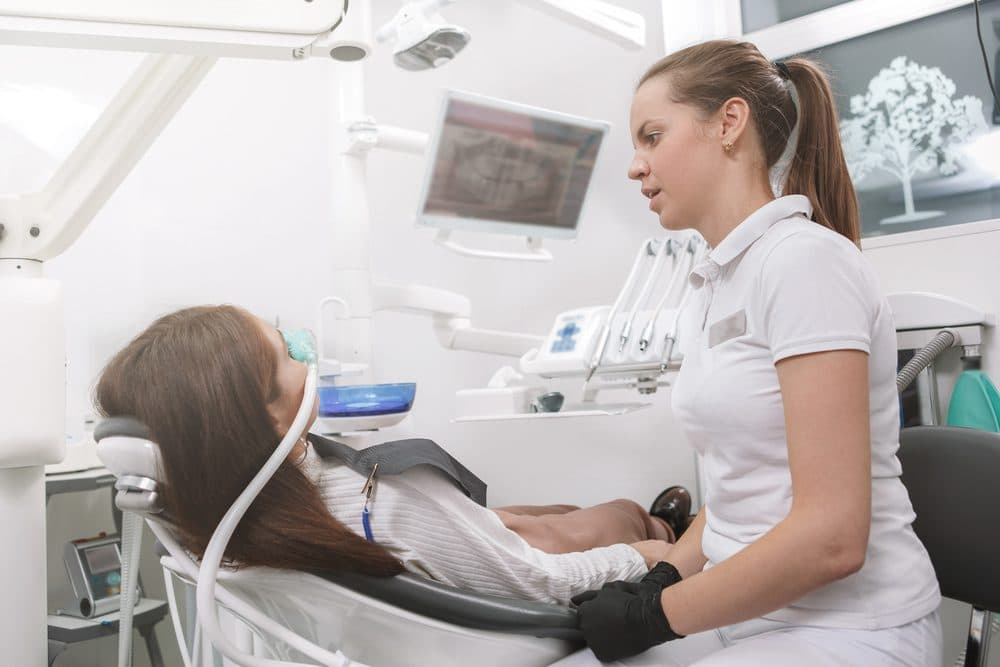
Sedation is commonly used to help ease anxiety during longer dental treatments. It can also be used in the case of severe dental phobia. If you would normally have dental sedation during a treatment, you might be wondering if this is safe during pregnancy.
There is a common misconception that you cannot have any sedation during pregnancy. Inhalation sedation (also known as gas and air) is typically safe during pregnancy, provided the dentist and dental team are aware of the pregnancy.
Oral conscious sedation and IV sedation may be used on rare occasions, but this would need to take into consideration how far along the pregnancy is and the urgency of the dental care.
There are lots of factors to consider when it comes to longer dental procedures such as implant surgery during pregnancy. On the one hand, it’s important to maintain good oral health during this important time. However, we also have to think about the development of the child to ensure no treatment options could cause harm.
We also have to think about the anxiety levels of the mother. If dental treatment is very scary for the patient, their fears might become even more evident during pregnancy due to the added worry about their child. This could mean that even simple dental procedures could be a greater cause for concern.

Is it best to delay treatment until after the birth?
The decision to delay treatment versus going ahead will need to be decided on a case-by-case basis. There are lots of factors to consider, and it may come down to a personal decision.
There may be benefits to the oral health of the mother by prioritising the dental treatment. Oral health during pregnancy is very important, so this should not be overlooked.
However, for longer procedures, cosmetic treatments or for non-urgent care, it could be better to wait until after the birth to reduce the risk of complications. It can also reduce the risk of dental anxiety becoming more severe due to a fear of harming the baby.
If you have started dental implant treatment and discover that you are pregnant, book an appointment with your dentist to discuss the next steps. Pregnancy puts a lot of pressure on your body and results in many physiological changes, so it’s difficult to predict how your body will respond.
The best thing you can do is to discuss the options with your dentist, listen to their advice, and then make a decision based on all of the information available to you.
Ready to talk it through?
Request a callback and we’ll ring you back to answer your questions and arrange a consultation.
Request a callbackWritten by
The ICSC Team
Patient Care