
What Your Teeth Reveal About Your Overall Health: The Body – Mouth Connection Explained
The ICSC Team
Patient Care4 min read
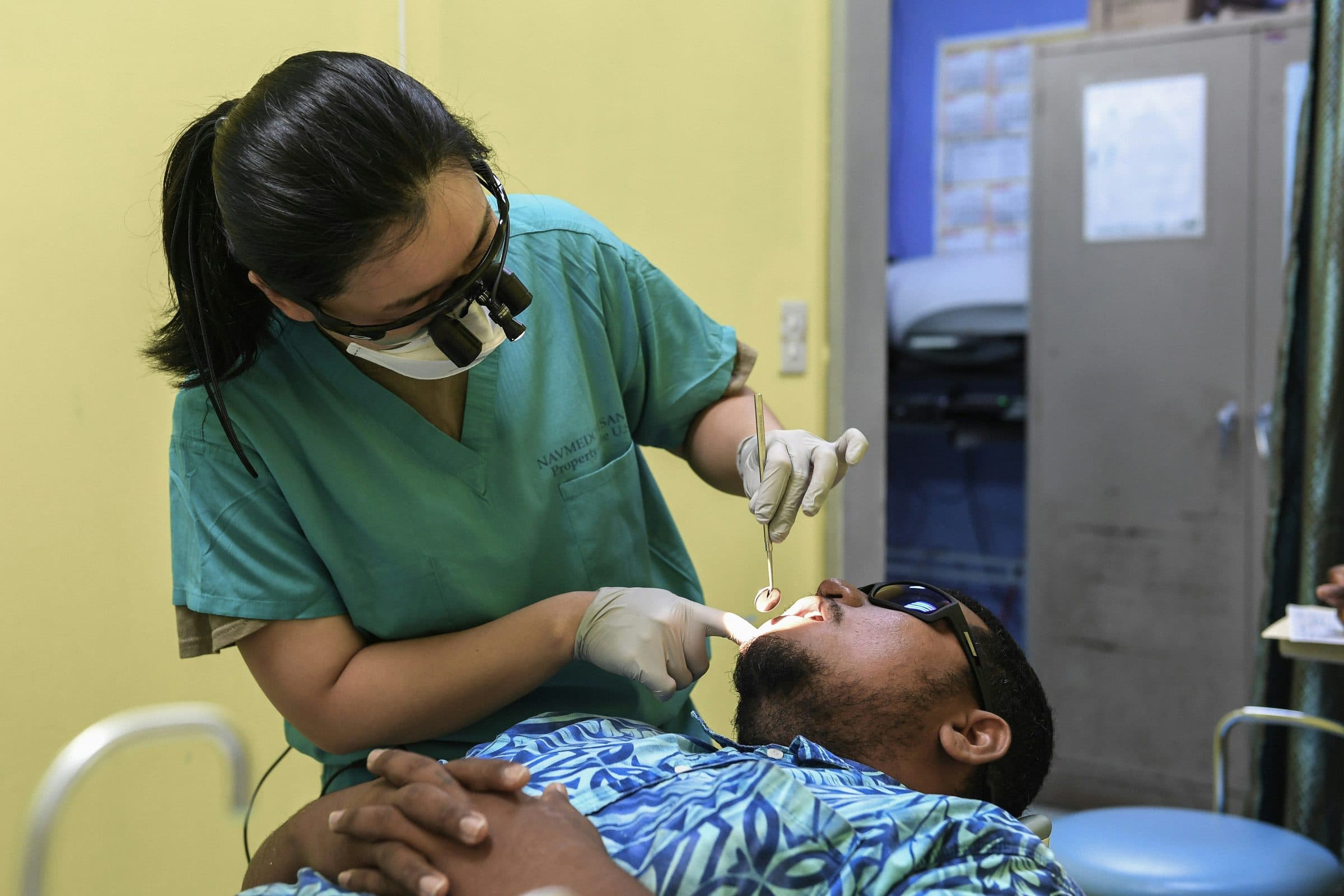
A checkup at the dentist can reveal more about your health than you might expect. The link between the mouth and the rest of the body is not often considered when we go for a checkup, so it can be surprising if your dentist asks you questions about your sleep patterns and can correctly identify if you’ve had recurring heartburn.
There are lots of ways that your wider health can show up in your oral health. And likewise, issues with your oral health can also help to diagnose problems with your wider health. Understanding the link between the two can help you to make better choices that your mouth and body will thank you for.

The link between the mouth and the body explained
Your mouth is the start of your digestive tract, which gives access to your bloodstream. It’s also the start of your respiratory tract, which can have an impact on everything from mood to sleep quality. There are lots of ways that your oral health can impact and influence your wider health, including:
- Your teeth are responsible for chewing your food, which is the first stage in digestion. If you struggle with this step, or if you aren’t able to do it correctly, this can have an impact on your ability to extract nutrients and energy from your food. Poor chewing technique can also lead to stomach problems, including acid reflux, which can in turn damage your oral health.
- Bacteria in your mouth can enter the body through your lungs and through your bloodstream. If you aren’t brushing your teeth sufficiently, you might find that you have more upset stomachs and respiratory infections due to inhaling or swallowing bacteria. This is also how plaque from your teeth can end up in your arteries.
- There is a two-way link between gum disease and diabetes. Diabetes elevates glucose levels in the saliva, which can contribute to inflammation of the gums. Active gum disease can also trigger inflammation that makes it more difficult for your body to control blood sugar levels, which can aggravate diabetes.
- The alignment of your jaw can impact how well you sleep at night. A poorly aligned jaw or a condition impacting the temporomandibular joint can cause your tongue to fall to the back of your mouth when you sleep, which is a condition known as obstructive sleep apnea. Long-term poor sleep quality can lead to widespread health issues, including heart problems.
- Certain vitamin deficiencies can often show up in your mouth first. For example, your tongue texture might change if you are short in iron, and not getting enough B12 can lead to mouth ulcers.
These are just some of the ways that your oral health and wider health are directly linked. There are also less obvious links, such as the link between oral health and mental health. If you don’t feel confident in your smile, you might find that you don’t feel confident in life. This can have a negative impact on your mental health, particularly if this leads you to isolate and avoid social situations.

How your dentist and GP can work together
By committing to regular trips to your dentist, you can cover all of your bases in terms of caring for your health. Your dentist might be able to identify issues that your GP could miss, simply because they can see the evidence, and they aren’t relying on you to point to the source of the problem.
A great example of this would be with oral cancer. Survival rates for oral cancer are very high when it is caught early, but the issue is often ignored because the symptoms can be dismissed as something else entirely. While you might not visit your GP because a sore in your mouth won’t heal, if you are visiting your dentist twice a year, they will have a much better chance of catching issues like this.
Supporting your wider health with your oral health
Brushing twice a day is about more than just maintaining fresh breath for the benefit of those around you. Taking good care of your teeth will minimise the risk of developing conditions like gum disease, which can contribute to a wide range of inflammatory conditions throughout the body.
Brushing your teeth will also help you to keep your natural teeth for as long as possible and avoid having to wear dentures later in life. This is one way you can set yourself up for a brighter future. Rather than thinking about the immediate benefits, consider the lifelong benefits of being able to keep your natural teeth for as long as possible.
Regular trips to the dentist can also help to safeguard against issues with your wider health. Book your checkup today to help keep your teeth and your body health.
Ready to talk it through?
Request a callback and we’ll ring you back to answer your questions and arrange a consultation.
Request a callbackWritten by
The ICSC Team
Patient Care