
Invisalign vs Traditional Braces: Which Is Better for Your Smile Goals?
The ICSC Team
Patient Care4 min read
When it comes to orthodontic treatment, one plan will be no better than another. They all achieve the same goals, so it’s really about choosing a treatment plan that works for you. It’s important to not be driven by trends and to instead choose based on your lifestyle, your commitments, and your orthodontic requirements.
In this guide, we’re looking at the differences between Invisalign and traditional braces, so you can make an informed decision about which treatment plan will work best for you. Remember that the final decision should always come down to clinical requirements, so don’t get too invested with a treatment plan until you have had a consultation. This will help you to better understand which orthodontic system will help you to achieve your goals.
What is Invisalign?
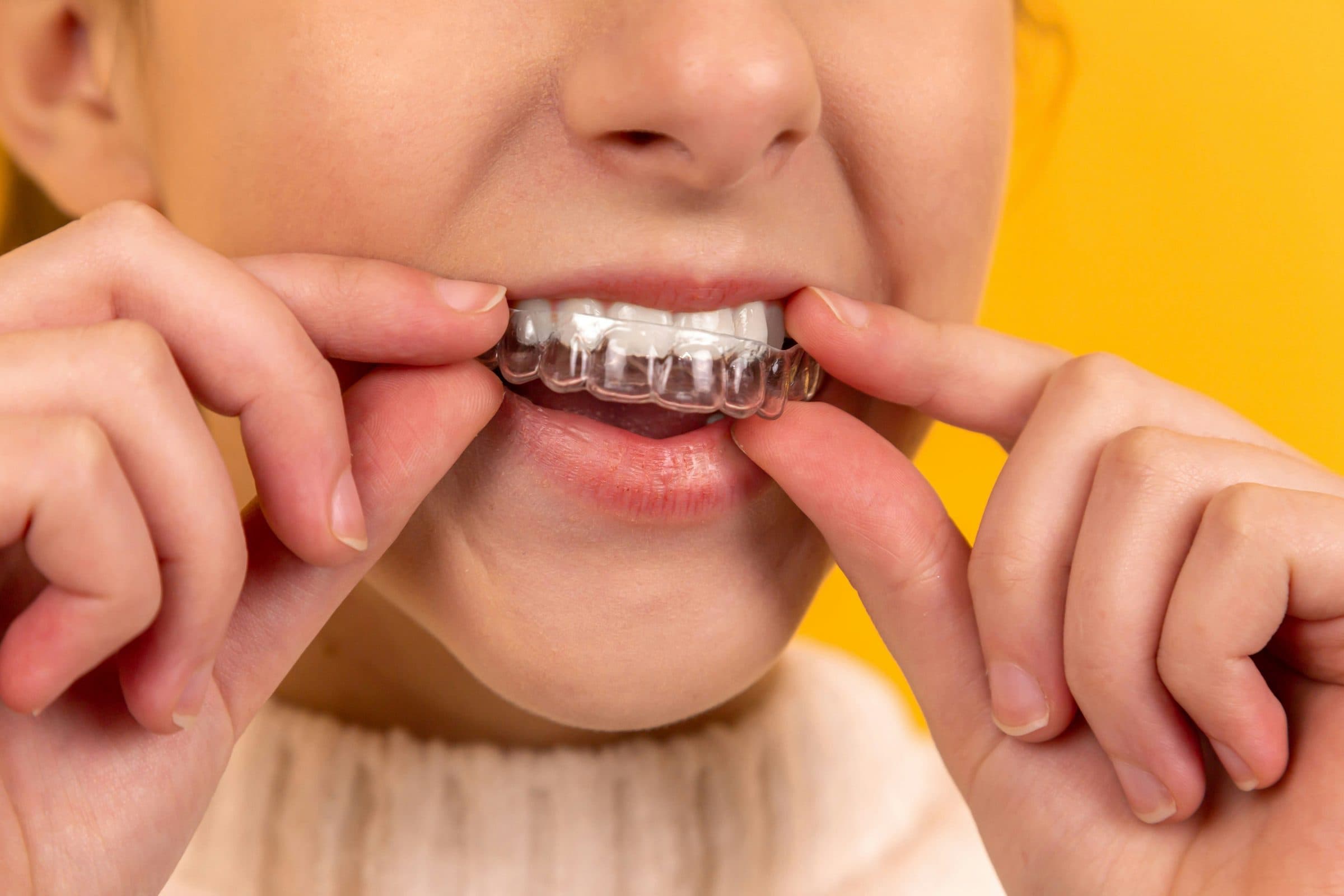
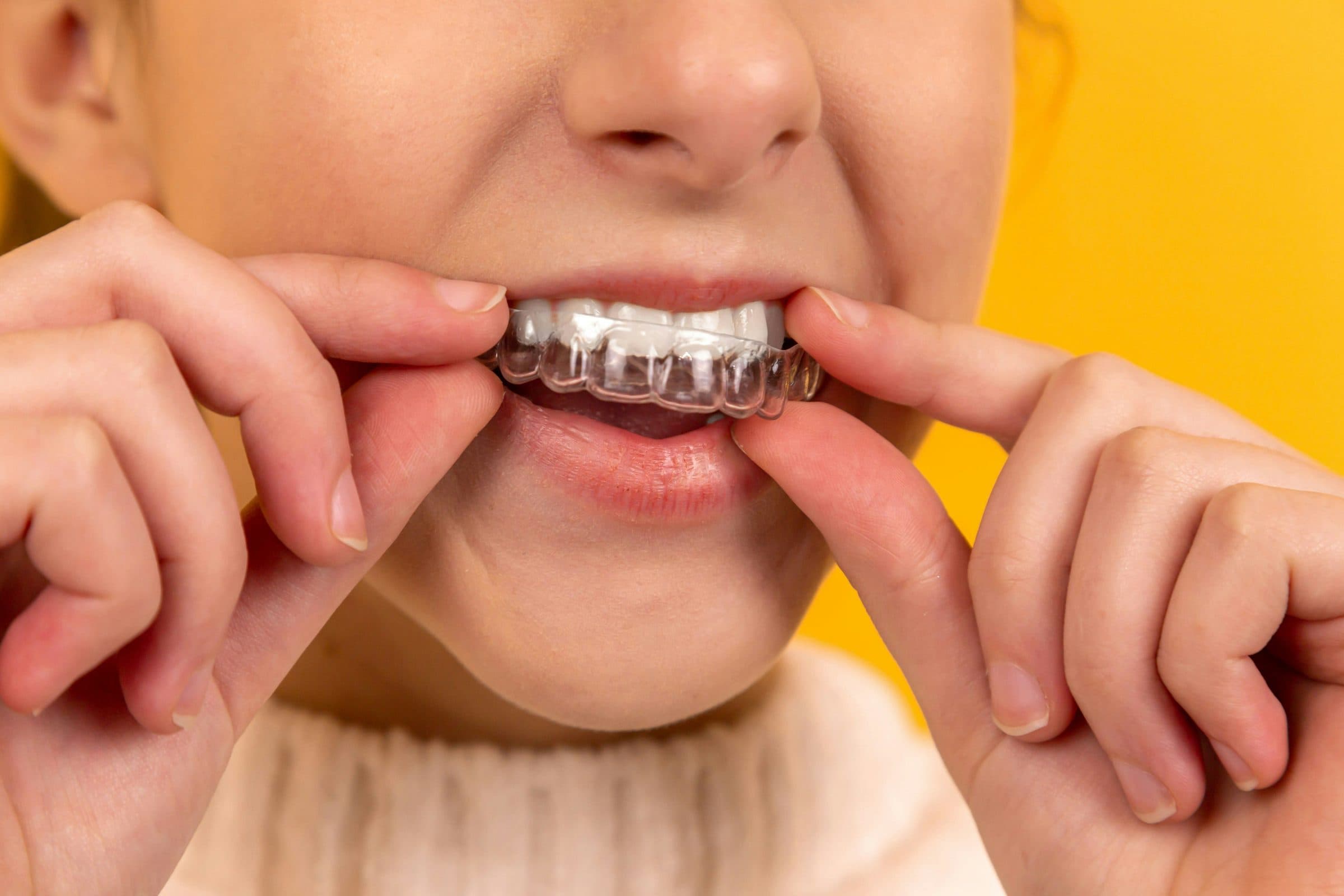
Invisalign is an innovative orthodontic treatment plan that turned the teeth straightening industry on its head. Instead of fixing the brackets and wires directly to the tooth, Invisalign uses clear plastic aligners to apply pressure to the teeth. Patients receive a case of aligners at the start of their treatment, and each one will bring them closer and closer to their ideal alignment.
As patients switch to a new aligner, the pressure will move the teeth into the correct alignment. They’ll wear this aligner for 10-14 days, and they move to the next aligner in the case. As they move through the case, their teeth get straighter and straighter. This practice removes the need for visiting the dentist for every adjustment, which can make the treatment a lot easier to manage.

Benefits of Invisalign
- The aligners are made of clear plastic, which makes the treatment much more discreet. This can suit older people who need to uphold a professional image.
- Since the aligners are removable, no foods will be off limits for the duration of the treatment.
- It’s much easier to care for the teeth and the aligners throughout treatment. You can simply remove and soak them in a cleaning solution while you brush your teeth.
- The patient doesn’t have to visit the dentist for every single adjustment, but they will still have checkups throughout their treatment plan.
Downsides of Invisalign
- Invisalign is more expensive than other treatment plans, likely because this is a branded treatment. Payment plans are commonly available.
- You’ll need to be strict with wearing the aligners often enough. Aligners have to be worn for a minimum of 20-22 hours per day, and if you forget to put them in, this can make the treatment ineffective.
- It might not be suited for all orthodontic cases, particularly those with extreme rotations.
- The plastic aligners can be uncomfortable for some and might rub on cheeks and gums.
- There is the risk of losing an aligner, which could derail the treatment plan.

What are traditional fixed braces?
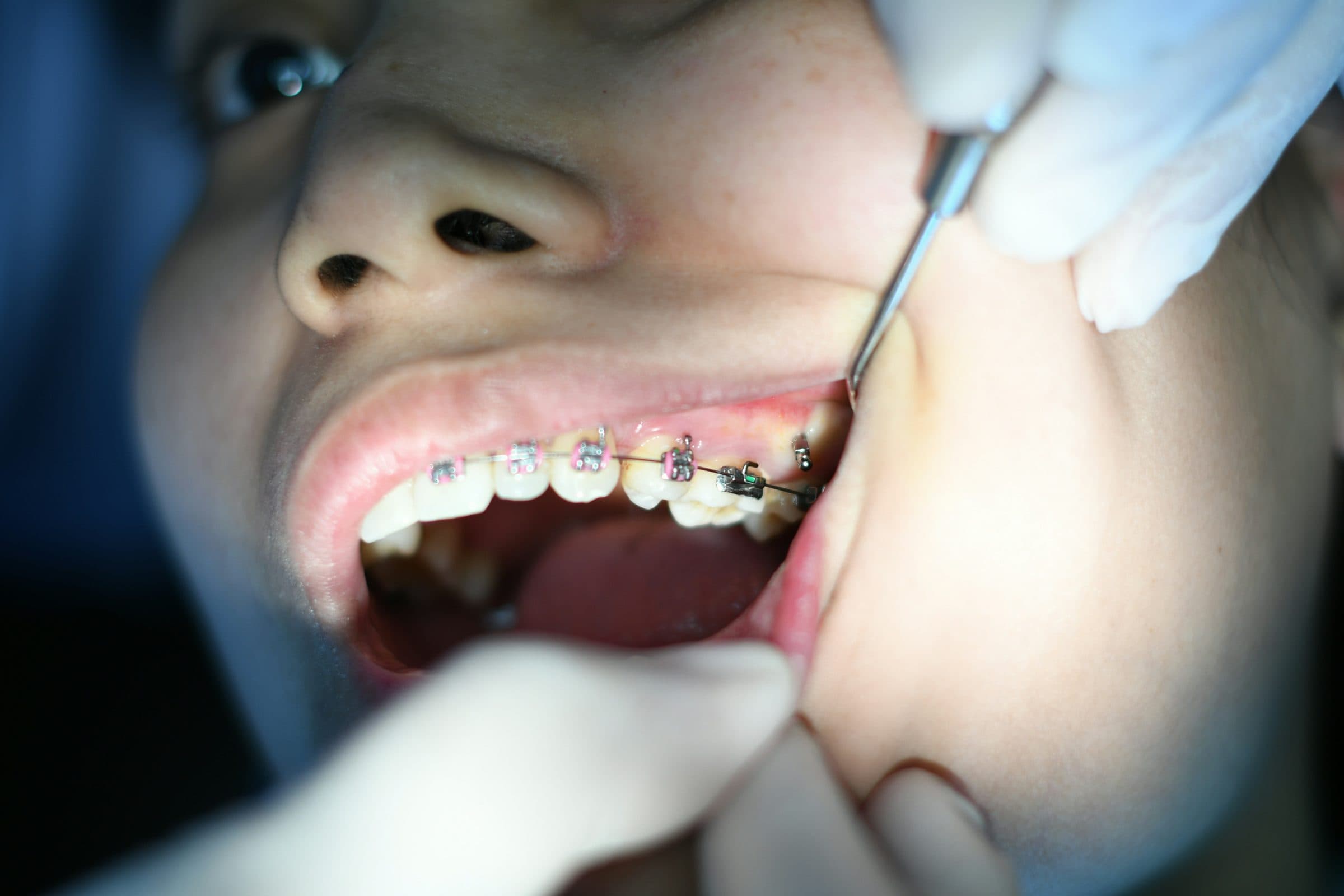
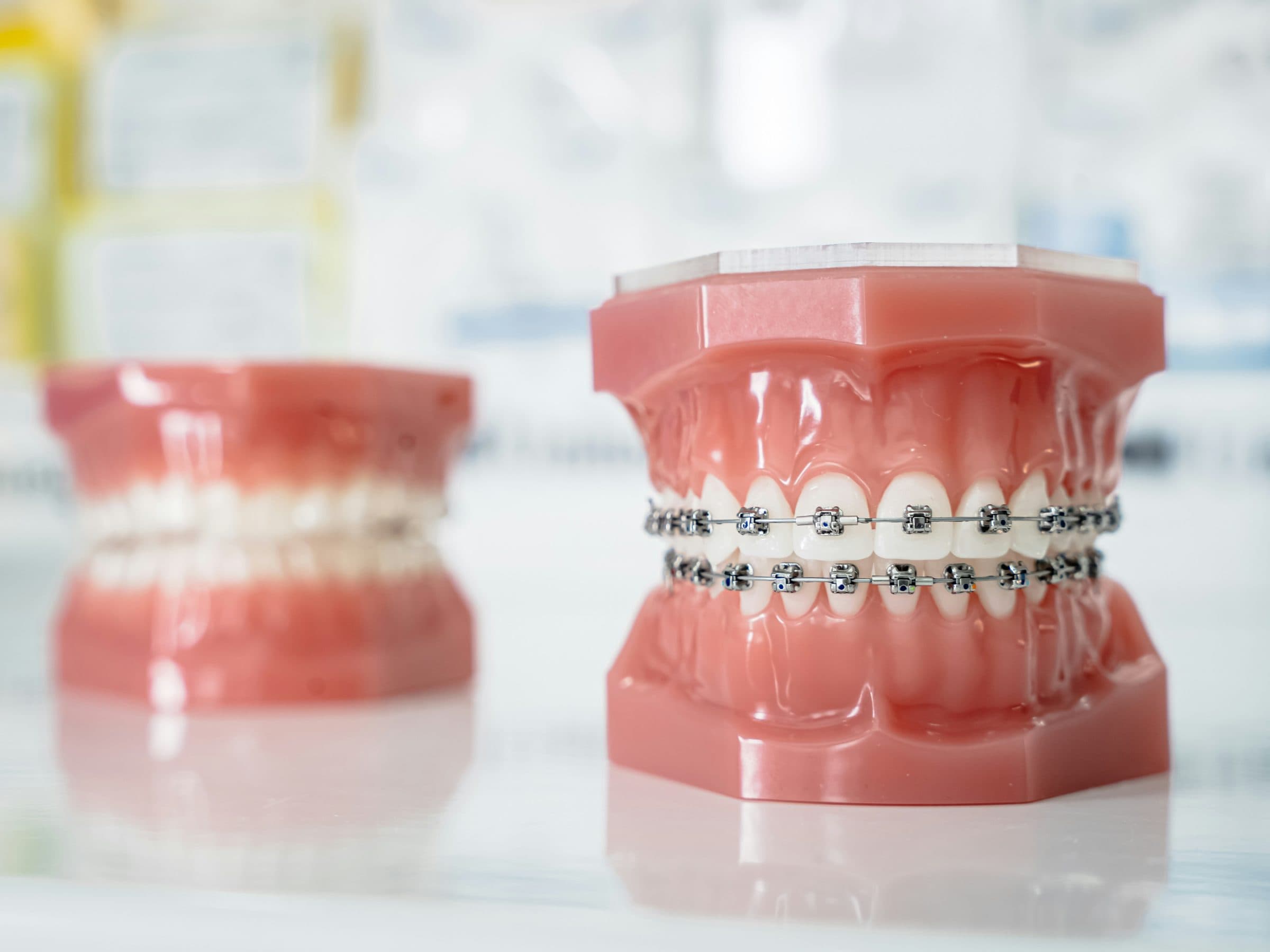
Traditional fixed braces are the original orthodontic treatment. It’s still popular to this day as it is so effective for getting results. To achieve straighter teeth, a bracket is attached to every tooth and then a wire is run between the brackets. Adjusting tension on this wire applies strategic pressure to the teeth to encourage them to move into the correct alignment.
Alongside metal braces, it’s also possible to have porcelain brackets and clear wires, which can make the apparatus less visible.
Benefits of fixed braces
- There is very little involvement from the patient, as they just have to wear their braces and brush their teeth. There is no risk of forgetting to wear the braces or losing the braces.
- This is a highly effective treatment with reliable results. Since the dentist is so involved with the adjustments, they can respond to changes in the treatment plan as they happen.
- Fixed braces are often more cost effective and payment plans will make this even more accessible.
Downsides of fixed braces
- The patient might need to make changes to their diet to avoid foods that could damage the braces or get stuck. Brushing your teeth with fixed braces can also be a little bit more fiddly.
- They are more visible than clear aligners, and since they are not removable, there is no option to take the braces out for important occasions.
- Wearers might need to avoid certain contact sports, or they might have to wear a special mouth guard to fit over their braces to avoid damage and injury.
Next steps
Ready to explore your orthodontic options with us? Get in touch to book an appointment with our orthodontics team to learn more about Invisalign and fixed braces.
Ready to talk it through?
Request a callback and we’ll ring you back to answer your questions and arrange a consultation.
Request a callbackWritten by
The ICSC Team
Patient Care