
Retainers After Invisalign: Types, Costs and How Long You Need to Wear Them
The ICSC Team
Patient Care4 min read
Once you have come to the end of your Invisalign treatment, your teeth will be perfectly aligned and ready to show off. While you might be keen to say goodbye to aligners and dental apparatus for good, it’s important that you follow up your treatment with a retainer fitting.
Orthodontic treatment moves your teeth from their natural alignment into perfect alignment. If you don’t take steps to keep them in this position, they will naturally move back to the easiest possible alignment. This could undo months or even years of hard work, so we want to avoid this as much as possible.
Wearing a retainer after treatment is a normal part of orthodontics. Thankfully, you’ll only need to wear it at night time to enjoy the benefits, so you needn’t worry about it interfering with your life anymore.
Here’s everything you need to know about your retainer following orthodontic treatment.

Do I have to wear a retainer?
If you want to keep your teeth in their new, perfect alignment, then yes, you need to wear a retainer. This is only needed at night time and it simply prevents your teeth from shifting back to the former alignment over time.
You’ll wear the retainer for as long as you want to keep your teeth straight. If you choose to stop wearing it, you’ll find that your teeth gradually shift out of alignment. As you get older, you might not mind as much, but lots of people prefer to maintain the results of their hard work.
What types of retainers are available?
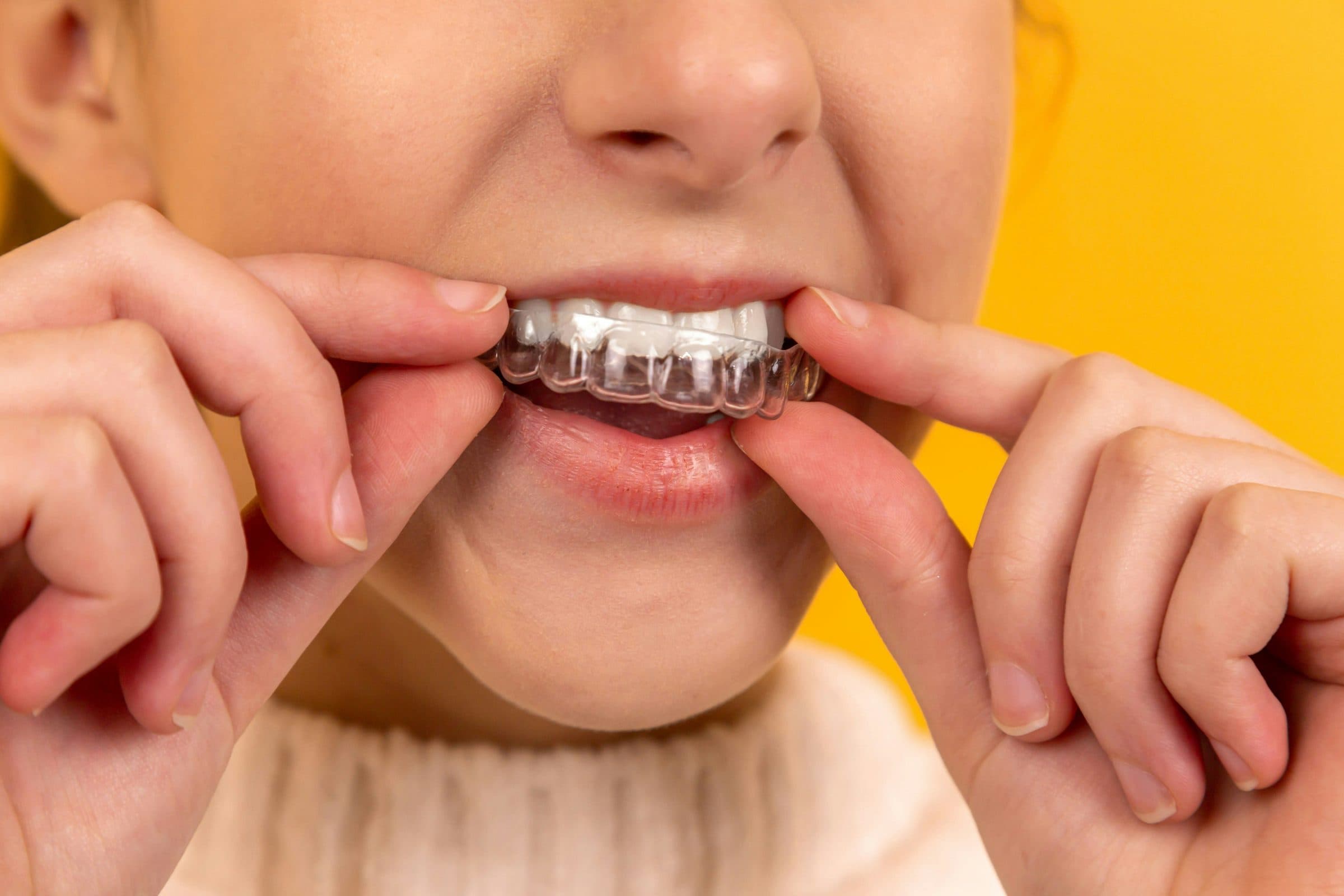
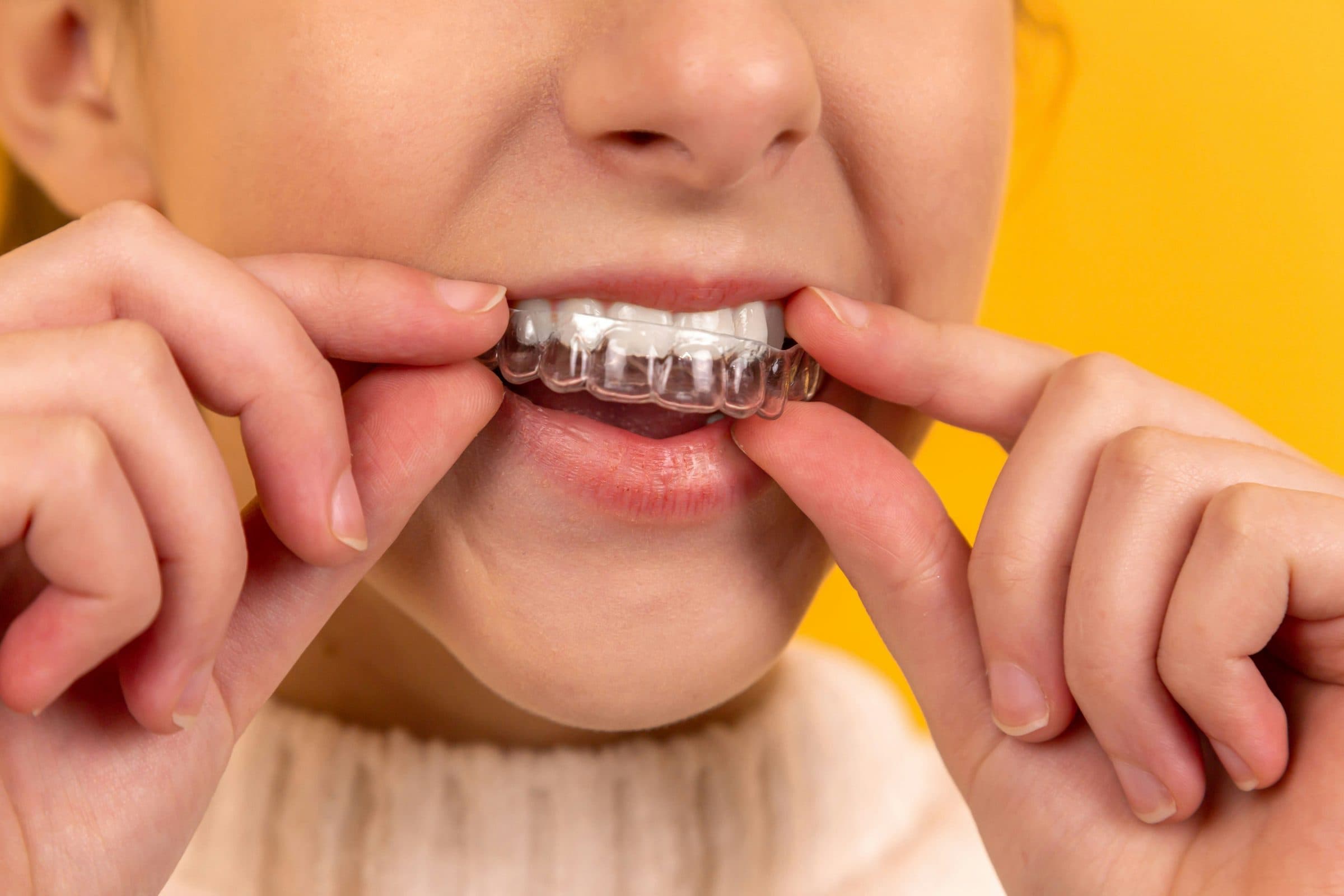
You’ll have a choice of retainers following orthodontic treatment like Invisalign. Vivera retainers are the most popular follow-on treatment after Invisalign. This is a retainer that is similar to an Invisalign aligner, so you’ll already be familiar with how it feels to wear, and how to care for it. Vivera retainers can last for up to 5 years with good care.
You can also choose a more durable option like Hawley retainers. These are made with an acrylic plate and a wire to hold your teeth in place. They are more visible than Vivera retainers, but since you only wear them to sleep, this isn’t much of a problem. A Hawley retainer can last around 10 years, with some people keeping them for up to 20 years.
The final choice is a bonded retainer. This is a small wire that fits on the back of your teeth and is held in place with composite resin. You don’t remove this at night and you’ll wear it all the time, but it is completely invisible. This option will typically last for around 10 years before it needs to be replaced.

How do I know which is right for me?
This is all down to preference. If you don’t want to deal with the ongoing maintenance of a removable retainer, then you might explore fixed retainers.
However, it’s important to note that these aren’t completely low maintenance. You might find it more difficult to care for your teeth when wearing a bonded retainer. It will make it more difficult to floss your teeth, so you’ll need to use interdental brushes to get around the wire.
For familiarity, you might start with a Vivera retainer and then switch to a Hawley or fixed retainer when yours reaches the end of its life. Other patients will move straight to a Hawley retainer as they aren’t as worried about aesthetics and would prefer to choose the most economically efficient option.

How much does a retainer cost?
Check your Invisalign package, as this may be included in the cost of treatment. This will typically include your first Vivera or Essix retainer. You may also be able to upgrade for a Hawley retainer or a bonded retainer.
A removable retainer will typically cost between £140-£200 per arch. Fixed retainers can cost in the region of £125-£350 per arch. Think about the lifetime cost of the retainer, not just the upfront cost.
The cost should also factor in the money already invested in Invisalign treatment. If you have spent a lot of money to get your teeth looking perfect, it’s worth investing in the retainer to help you keep them looking this way.
Remember you can also spread the cost of retainers, so you can make your treatment more affordable. This will allow you to choose the retainer you really want, rather than feeling restricted to your current budget.
Get in touch with our orthodontic team today if you need a new or replacement retainer following orthodontic treatment.
Ready to talk it through?
Request a callback and we’ll ring you back to answer your questions and arrange a consultation.
Request a callbackWritten by
The ICSC Team
Patient Care