
Choosing Between Cement-Retained and Screw-Retained Implant Crowns
The ICSC Team
Patient Care4 min read
The decision to restore your smile with a dental implant is never a simple one. First you have to decide if this treatment is even right for you. And then there are numerous decisions to make regarding your treatment plan.
While some options will be out of your control and determined by clinical necessity, one thing that you will need to decide between is the screw-retained implant crown versus the cement-retained implant crown.
Each of these methods has its own benefits, and neither is necessarily better than the other. It often comes down to a personal choice for the patient, which may be influenced by clinical requirements in some cases.
In this guide, we’re looking at how these two treatment plans differ and how you make this all important decision a little bit easier. By the end of this guide you should have a better understanding of:
- The differences between cement and screw-retained implant crowns
- The benefits and downsides of each treatment option
- Which option is right for your procedure

How are crowns attached to implants?
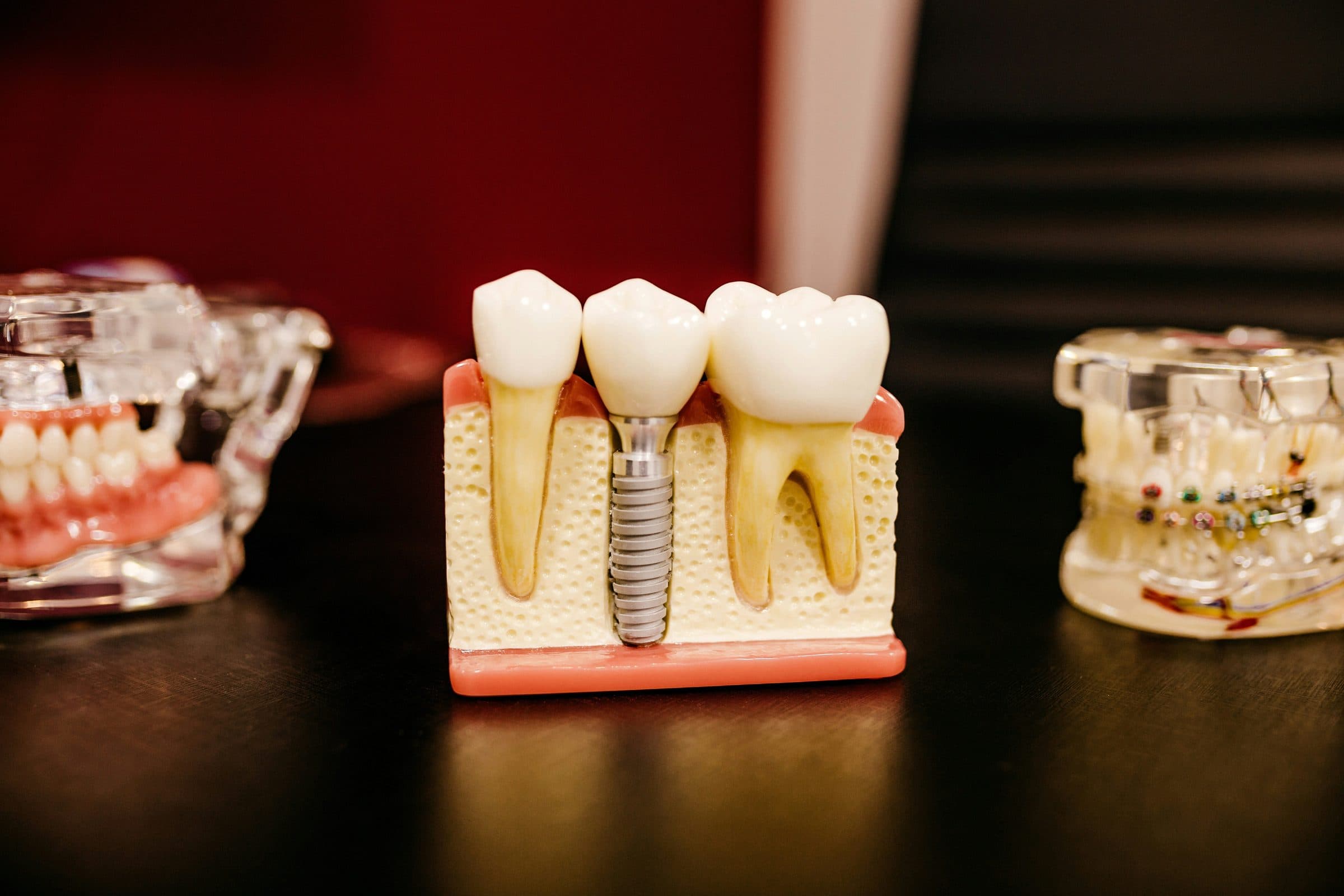
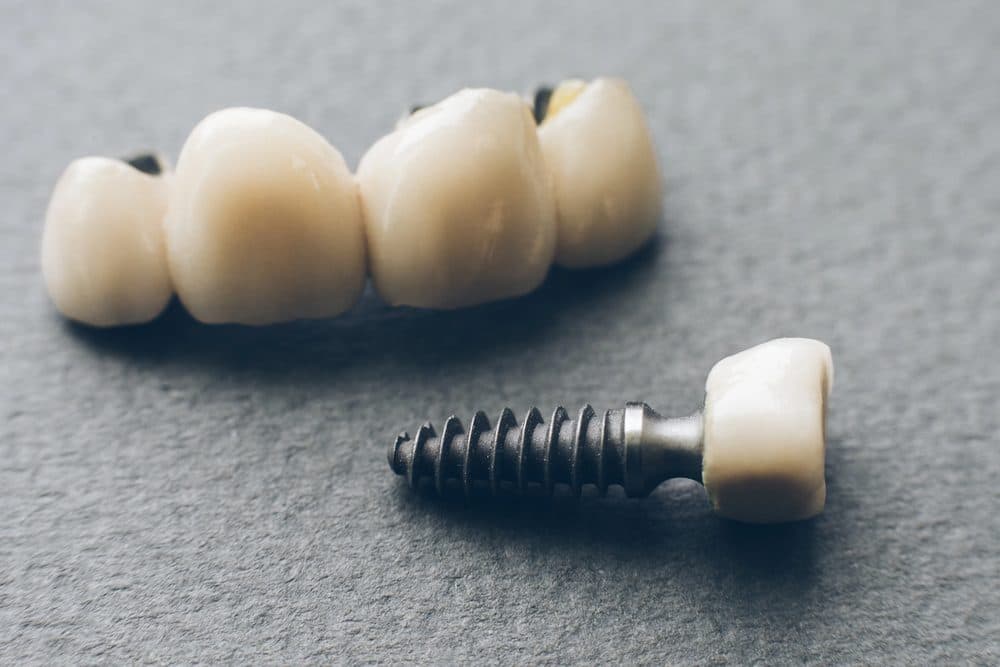
The final stage of the dental implant procedure is to attach a crown to the abutment. The abutment is the part of the restoration that sits above the gum line and attaches the dental implant in your jaw with the crown restoration.
There are two main ways to attach the implant to the crown: dental cement and a screw. Dental cement is widely used in dentistry. It is very safe and very effective. It helps to form a strong bond between restorations and is commonly used to hold restorations like veneers or crowns in place over natural teeth.
With a screw attachment, there is a small access hole on the top of the crown which allows your dentist to insert a screw into your implant to hold the tooth firmly in place. The choice of crown attachment will change the type of abutment used. This is why it’s vital to make this decision before you start treatment to ensure there are no delays.
Benefits of screw retained crowns
With a screw retained crown, you have the reassurance of knowing that your dentist can attach and remove the crown with ease. This can make it easier to repair the crown if it is damaged. It’s also much easier to replace the crown.
This option would be beneficial for rear molar restorations where the screw access can be concealed within the cusp of the tooth. The screw access point is clearly one of the downsides of this treatment option, but there are simple ways to conceal it.
This treatment plan can also be much quicker, as it can skip a step in the healing process. The crown can be attached directly to the implant, without having to place a healing abutment. This could reduce your treatment time by months.
Benefits of cement retained crowns
Cement retained implants offer numerous benefits for the patient, including a more aesthetic restoration. Since there doesn’t need to be an access hole, the crown looks more natural and does not have an exposed screw.
This is a great option for crowns at the front of the mouth as it means you won’t have a visible access site and the restoration can look more natural.
Cement is very sturdy and will hold the tooth in place for a long time. But if you suffer a facial trauma, the crown will be knocked clear, rather than risking damage to your implant and jaw.
Which one is right for you?
When choosing between cement retained crowns and screw retained crowns, you need to consider the lifelong impact of each choice.
Your dentist may have a preferred method, but this doesn’t mean that you cannot request another method if you believe that it is the superior choice for you. Your dentist should outline the benefits of both methods, rather than only explaining the one they would prefer to do.
The most important thing that patients will prioritise is aesthetics. Patients are looking for dental restorations because they want their smile to look, feel and function as it did before their tooth loss. For this reason, the cement retained crown will often win as there is no access site for the screw.
However, when they learn that this treatment will typically take longer, this can be enough to change their minds. With a screw retained crown, the crown can be placed directly on the implant once it has bonded with the jaw bone. This can cut months off the treatment time.
The presence of cement can also make patients nervous. There could be excess cement left in the mouth that could cause issues with the bite or impact the surrounding teeth. Cleaning up excess cement can be quite difficult, so this needs to be considered as part of the decision making process.
Finally, you need to think about the long-term implications. Replacing a crown that is held in place with a screw will be much easier. It’s also easier to adjust this restoration. For this reason, you might consider a screw retained crown to make future maintenance easier.
Start your implant journey
If you’re ready to start the dental implant journey, it all starts with a consultation with our team. We’ll explore the treatment plan and options available, including the choice between cement retained and screw retained crowns. Get in touch today to book your consultation.
Ready to talk it through?
Request a callback and we’ll ring you back to answer your questions and arrange a consultation.
Request a callbackWritten by
The ICSC Team
Patient Care