
Sinus Lift Surgery for Dental Implants: When It’s Needed and What Recovery Looks Like
The ICSC Team
Patient Care4 min read
One of the barriers to being able to access dental implant surgery is the position of your sinuses. Following tooth loss, it’s possible for the sinus to fall into the cavity left by the missing tooth.
If this happens, it would be impossible to move forward with treatment as it is, simply because it would result in considerable pain for the patient. If you’ve been told you cannot have dental implants due to the position of your sinuses, this doesn’t have to be the end of the road for you.
Through a treatment known as a sinus lift, we can repair the sinus and move it back up to its correct position, leaving the space free for your dental implant treatment. In this guide, we’re exploring the role of sinus grafting in dental implant treatment and explaining what you can expect before, during and after the treatment.
Sinuses and dental implants explained
The sinuses are a network of four paired cavities in your skull that are connected with narrow tubes. You have two above your eyebrows (frontal) and two on your cheeks (maxillary). The sinuses release mucus that helps to clear your nasal passage to protect you from external threats.
After tooth loss in the upper jaw, the sinus cavity can expand due to a loss of support from the teeth and the jaw bone. Essentially, the boundary of your sinus changes and it can expand into the gap left behind by the missing tooth.
If this happens, dental implants won’t be possible, because drilling into this hole would expose the sinuses which would be incredibly painful.
Instead, we have to introduce new bone to push the boundary of the sinus back up into its usual position. This is a surgical procedure that takes place under local anaesthetic. You might also have light conscious sedation to help you to feel more relaxed.

How does a sinus lift work?
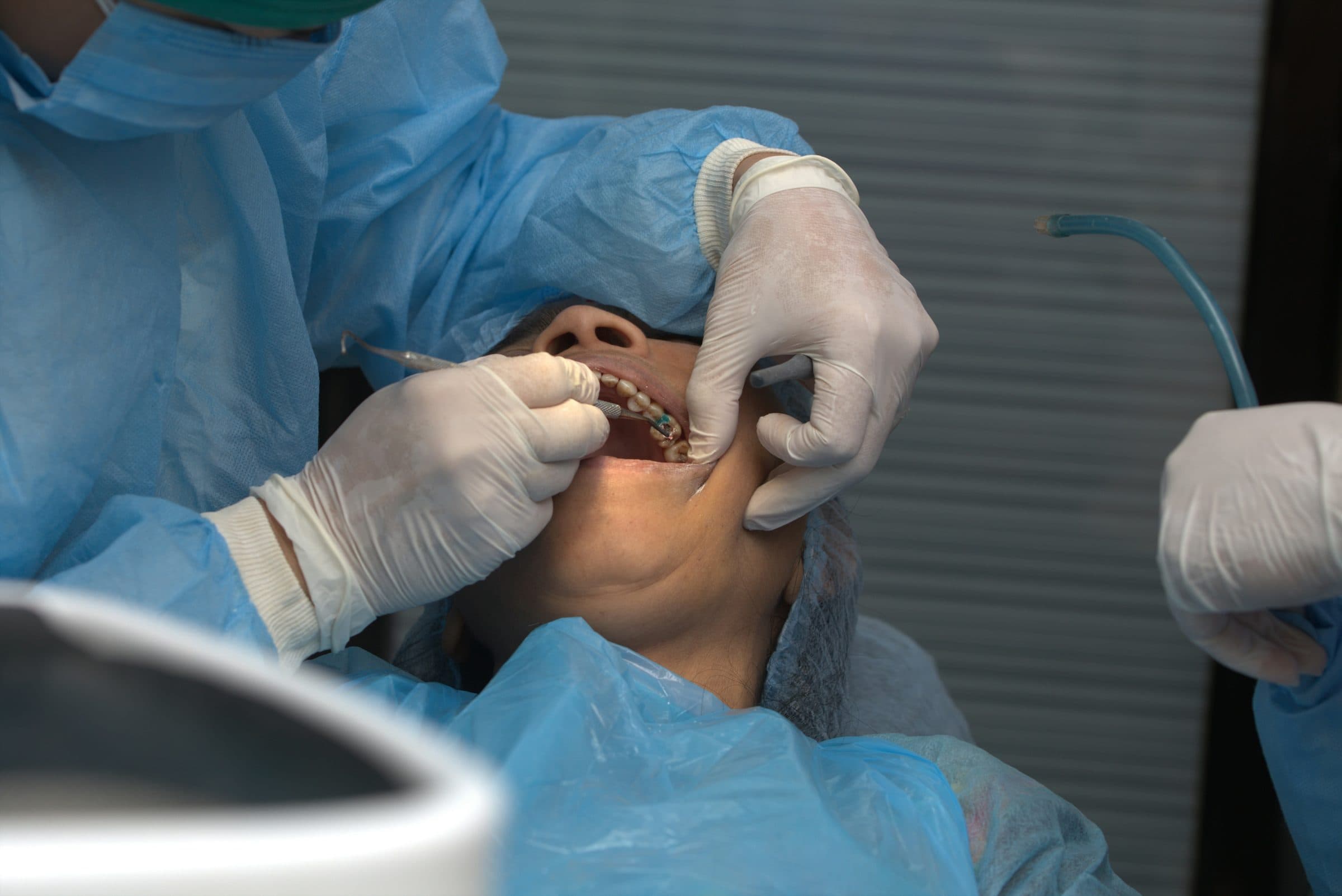
During sinus lift treatment, we start by completely numbing the area using local anaesthetic. Your dentist will then expose the area with a small incision in your gum.
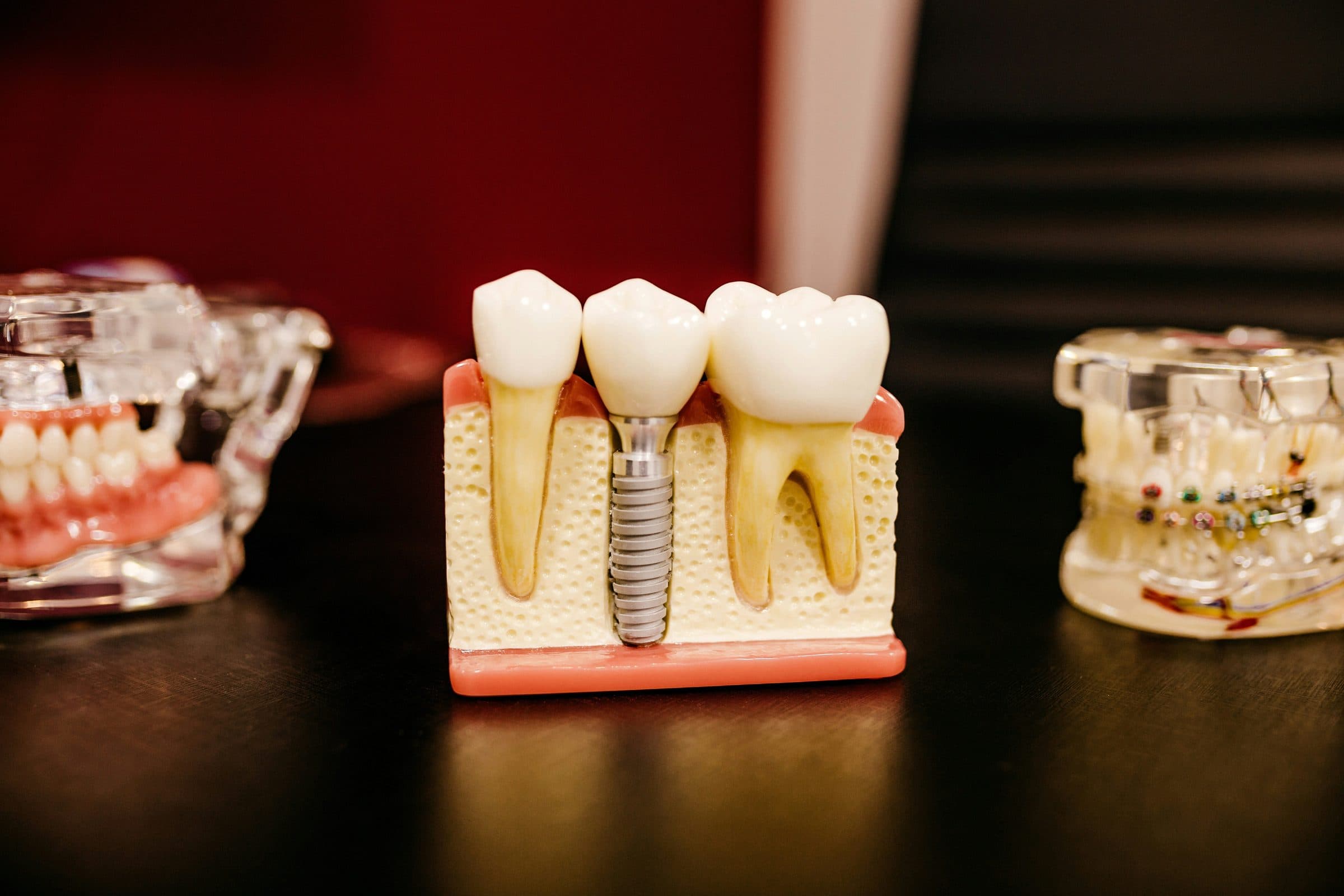
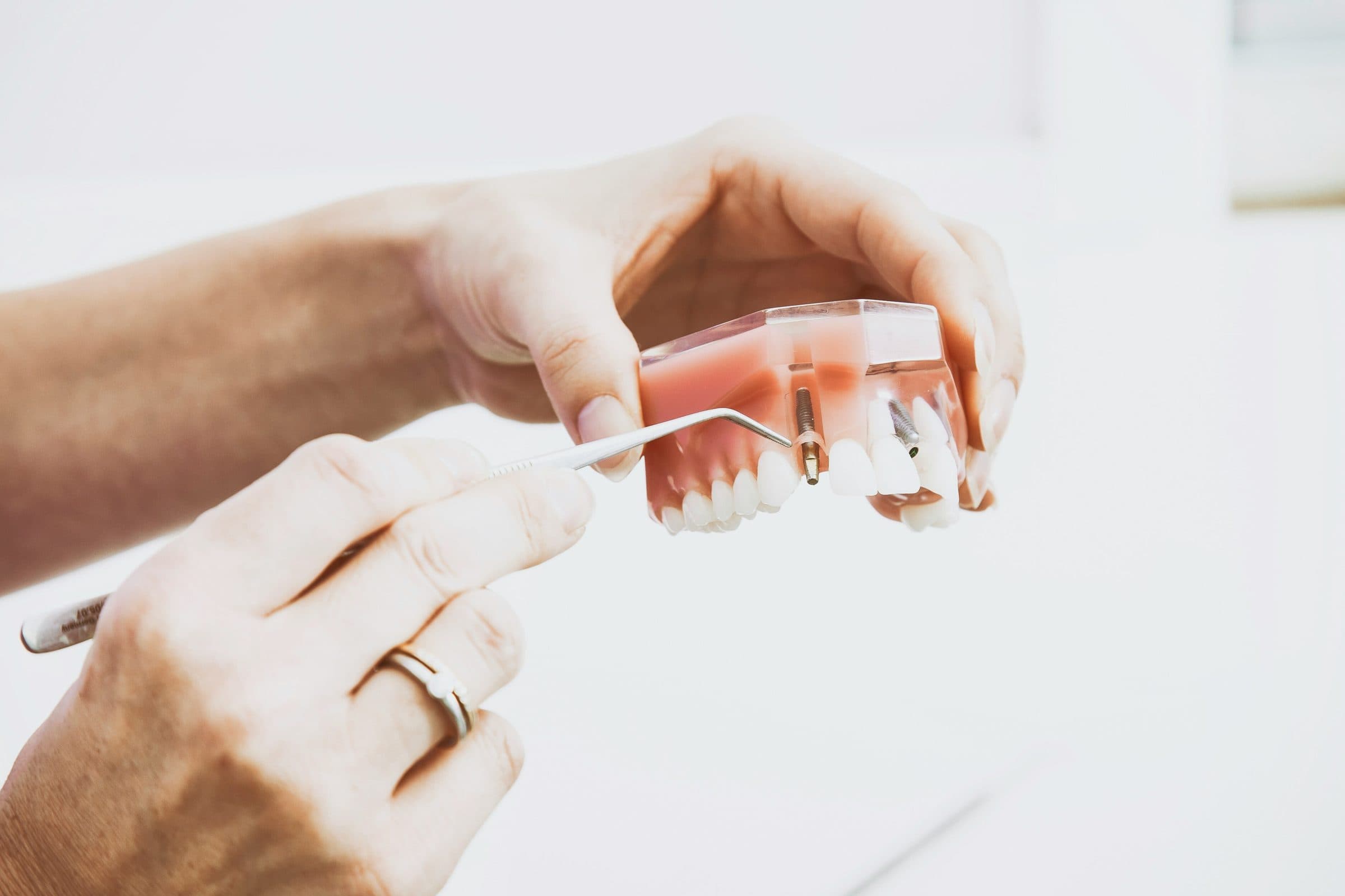
The bone material is placed in the hole to expand the bone density in this area and lift the sinus cavity back into its correct position. It’s possible to use artificial bone, animal bone, donor bone or bone from your own body.
Your dentist might also place a collagen membrane alongside the bone to help keep it in the correct position while you wait for it to heal.
If using bone from your own body, this would usually be taken from the hip and it would make it a more complex procedure. You would need to be referred to the hospital for this type of treatment.

What does it feel like after treatment?
After the surgery, you might have some tenderness in your mouth and in your sinuses. You might have some swelling in your gum following the treatment, so you’ll be given medication to help bring down the swelling and to prevent infection.
There may be some light bleeding at the incision site, but this should stop if you lightly bite down on a piece of gauze. If you are unable to stop the bleeding, you’ll need to call your dentist.
After a week, you’ll return to the practice to have your stitches removed and to check on the progress of the healing. The bone needs to integrate with the rest of the jaw bone, and this will need to heal completely before you can move forward with your dental implant treatment.
This process will usually take between four months and nine months, depending on how quickly your body heals. You can support your body during this time by making sure that you follow a healthy and varied diet and remain active. Good rest will also be essential for quick integration.
Final thoughts on sinus lift treatment
A sinus lift might sound daunting, but it’s a quite simple procedure with a high success rate. It can pave the way for you to move forward with your dental implant treatment, while also helping to prevent future problems with your sinuses.
In the case of simple sinus lift treatment, we can often complete this in practice. Our team will be there to support you every step of the way. We can also explore options to make your treatment more comfortable, such as oral conscious sedation, which will help you to feel more relaxed during the procedure.
Ready to talk it through?
Request a callback and we’ll ring you back to answer your questions and arrange a consultation.
Request a callbackWritten by
The ICSC Team
Patient Care