
Dental Implants vs Bridges vs Dentures: Which Tooth Replacement Option Is Right for You?
The ICSC Team
Patient Care4 min read
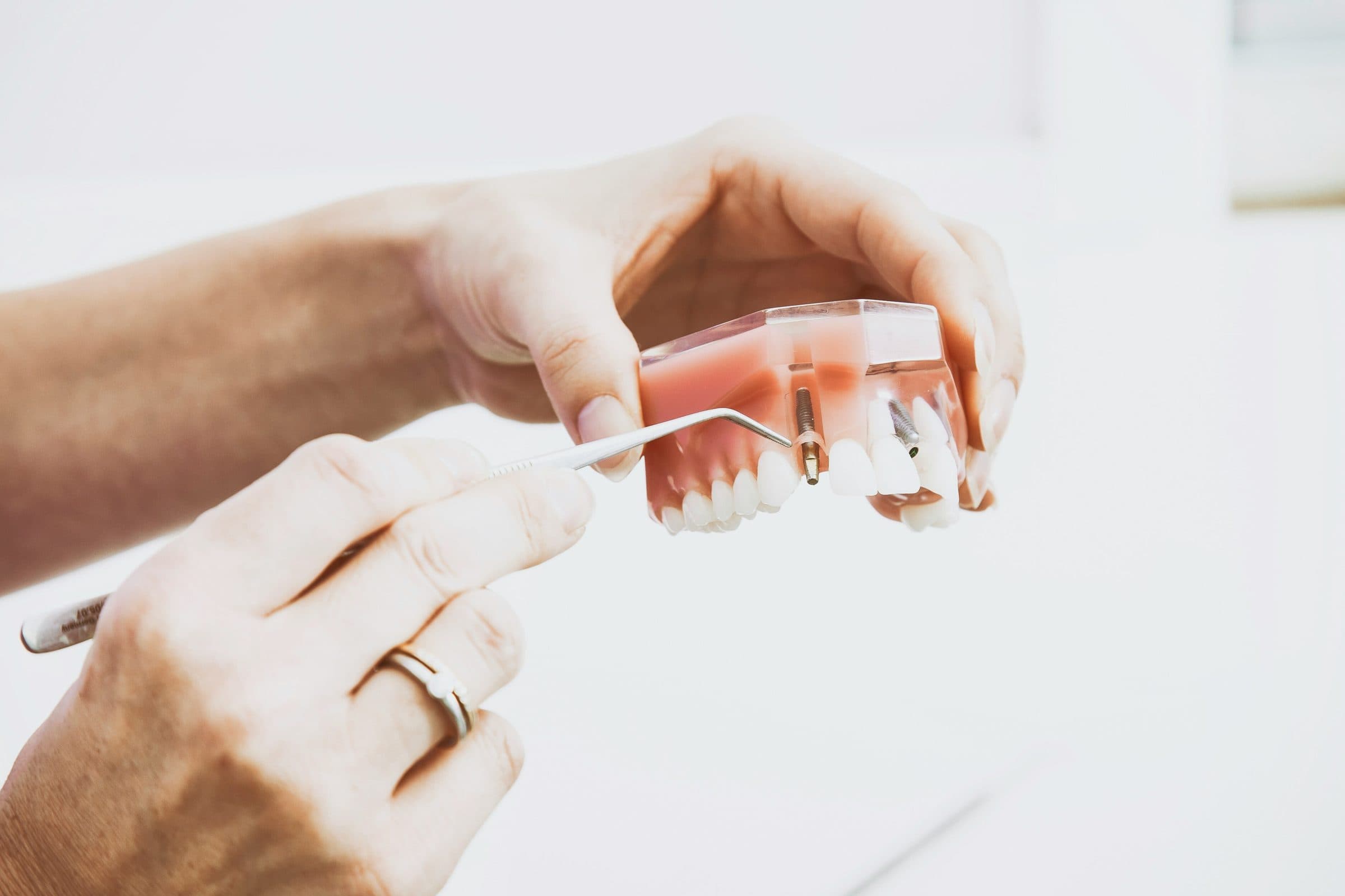
Tooth loss can be a huge blow to your confidence, but it’s not just the aesthetic side you need to think about. Losing a tooth can also have an impact on the surrounding and opposing teeth, making it more likely that you’ll lose more teeth in the future. If you leave a gap in your smile, you’re risking your wider oral health, which is why restoration options are so commonly recommended.
In this guide, we’re looking at three of the most popular replacement options for restoring your smile. We’ll explain how each treatment works, and explain the benefits or potential downsides of each treatment plan. By the end of this guide, you should have a much clearer idea about the options available to you, so you can make an informed choice about your care.
What are dental implants?
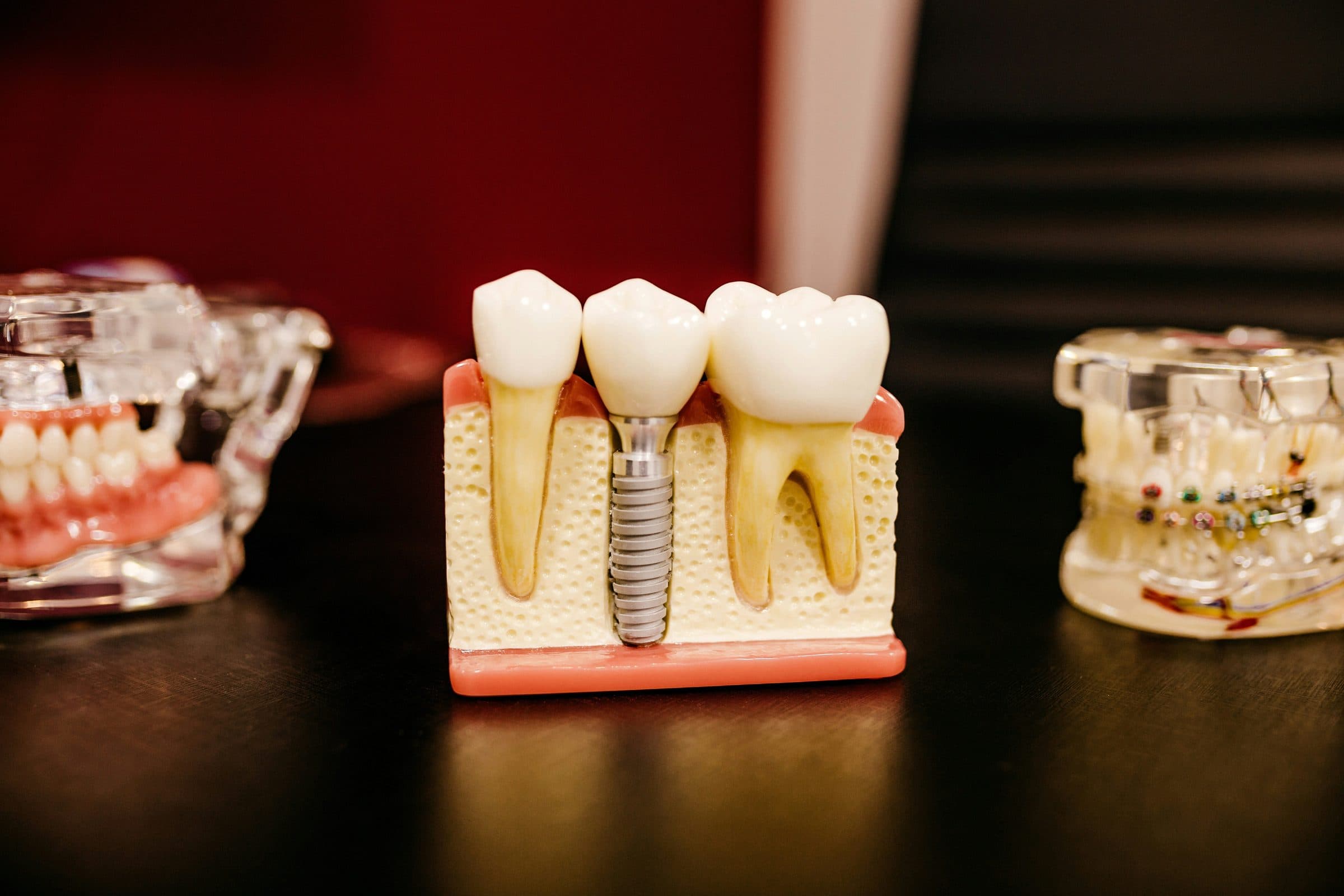
A dental implant is a small titanium screw placed in the jaw bone. It is left to heal before a healing abutment is attached to the top, and then this can support a crown, bridge or even a full denture. This unique treatment plan offers a second chance following tooth loss, as the implant replicates the role of the tooth root for a natural looking and fully functioning restoration.
Benefits of dental implants
- The implant allows your jaw bone to absorb the force of your bite, so it remains functional. This can help to reduce the risk of bone density loss.
- This is a permanent restoration that is designed to last a lifetime.
- No foods will be off limits, as the implant keeps the restoration firmly in place.
- You can care for your teeth as normal, with no extra steps required.
Downsides of dental implants
- This treatment is on the more expensive side, but when you consider the lifetime value of this investment, it makes sense.
- Treatment can take around 3-6 months to complete.
- There is a risk of implant rejection if the patient does not care for their teeth.
What are dental bridges?
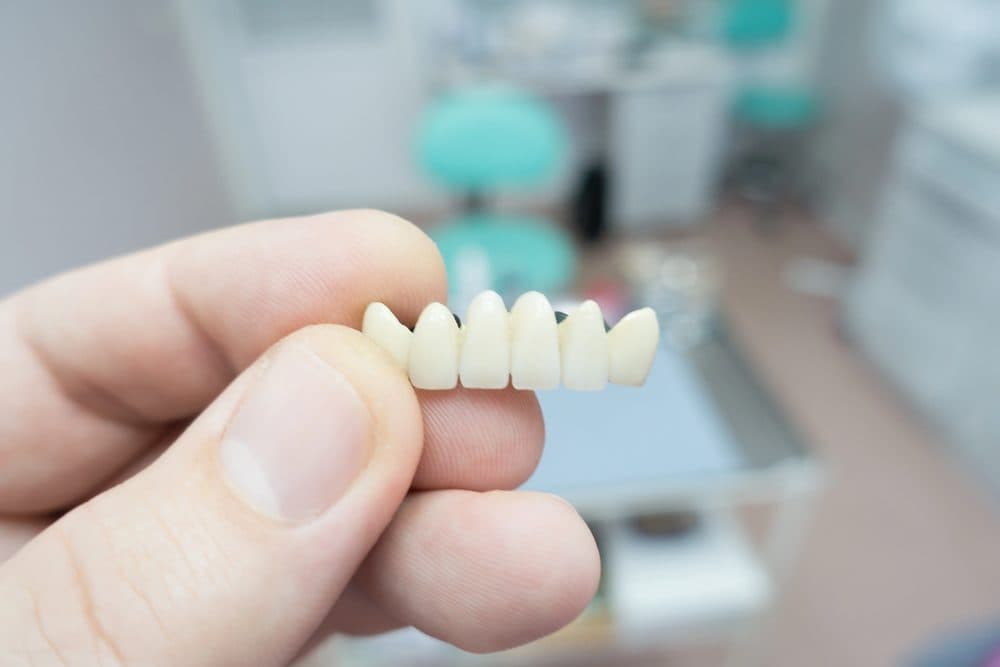
A dental bridge is a type of restoration that uses the surrounding teeth to support an artificial tooth. A false tooth is attached to two crowns which fit over the neighbouring teeth. A bridge is often made of porcelain, zirconia, metal, or a bonded mixture of the two. The surrounding teeth will need to be prepared in order to make space for the crowns. They will then share the force of the bite.
Benefits of a dental bridge
- This is a cost-effective treatment plan.
- A bridge is designed to last around 10-12 years with good care, but some patients find that they last even longer.
- If the surrounding teeth have been damaged, it can be beneficial to support them with crowns.
- It only takes 2-3 visits to design and fit your custom dental bridge.
Downsides of dental bridges
- It requires preparation of the surrounding teeth, which could weaken them prematurely.
- You’ll need to be careful about your food choices, particularly if your bridge is in the front. There is a risk the bridge could come loose.
- You might still experience some loss of jaw bone density around the site of the lost tooth.
- You’ll need to pay close attention to cleaning around your bridge.
What are dentures?
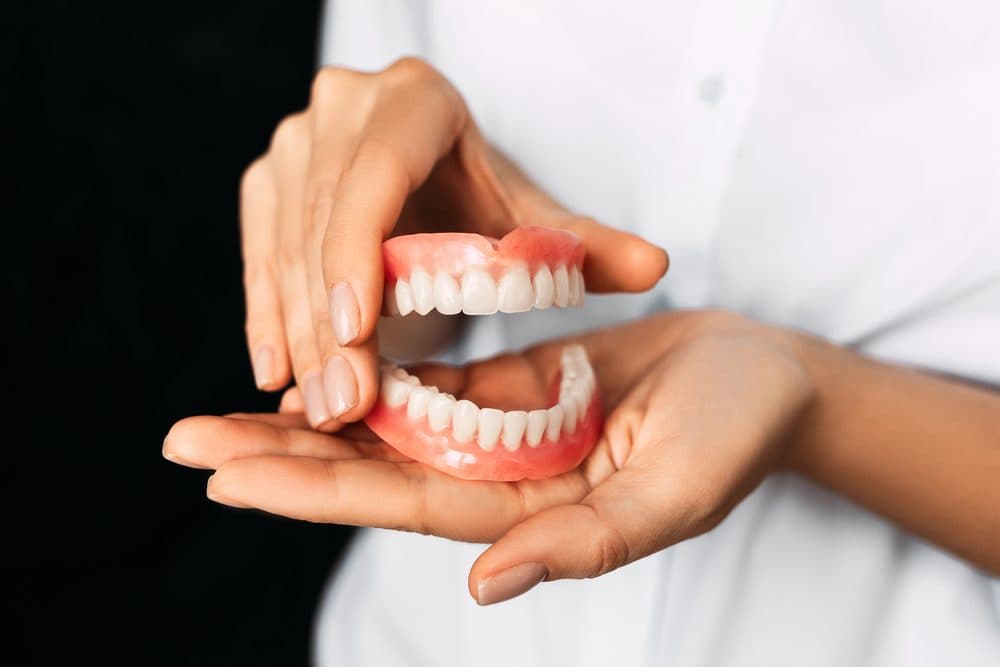
A denture is an artificial tooth or multiple teeth set on an acrylic plate. This fits inside the mouth and stays in place thanks to adhesive and suction. A denture might be used to replace a single tooth or it could be used to replace multiple teeth, up to an entire arch.
Benefits of dentures
- This is a cost-effective and easy way to restore your smile.
- Dentures are removable, which can make it much easier to care for your teeth and gums.
- Denture adhesive will allow you to keep the denture in place and you should be able to enjoy a varied diet.
Downsides of dentures
- The shape of your jaw will change over time, which means you’ll need to have your denture re-designed. Poorly fitted dentures can rub and cause sore gums.
- The force of your bite is absorbed by your gums, which can make it uncomfortable to eat certain foods.
- Dentures can slip while you speak, eat or smile, which can make some people self-conscious or uncomfortable.
Next steps
If you’re ready to make a decision on your dental restoration, get in touch with our team to arrange a consultation. We’ll help you to choose the right treatment for your needs.
Ready to talk it through?
Request a callback and we’ll ring you back to answer your questions and arrange a consultation.
Request a callbackWritten by
The ICSC Team
Patient Care