
How Diet & Lifestyle Can Help (or Hinder) Your Implant Success
The ICSC Team
Patient Care4 min read
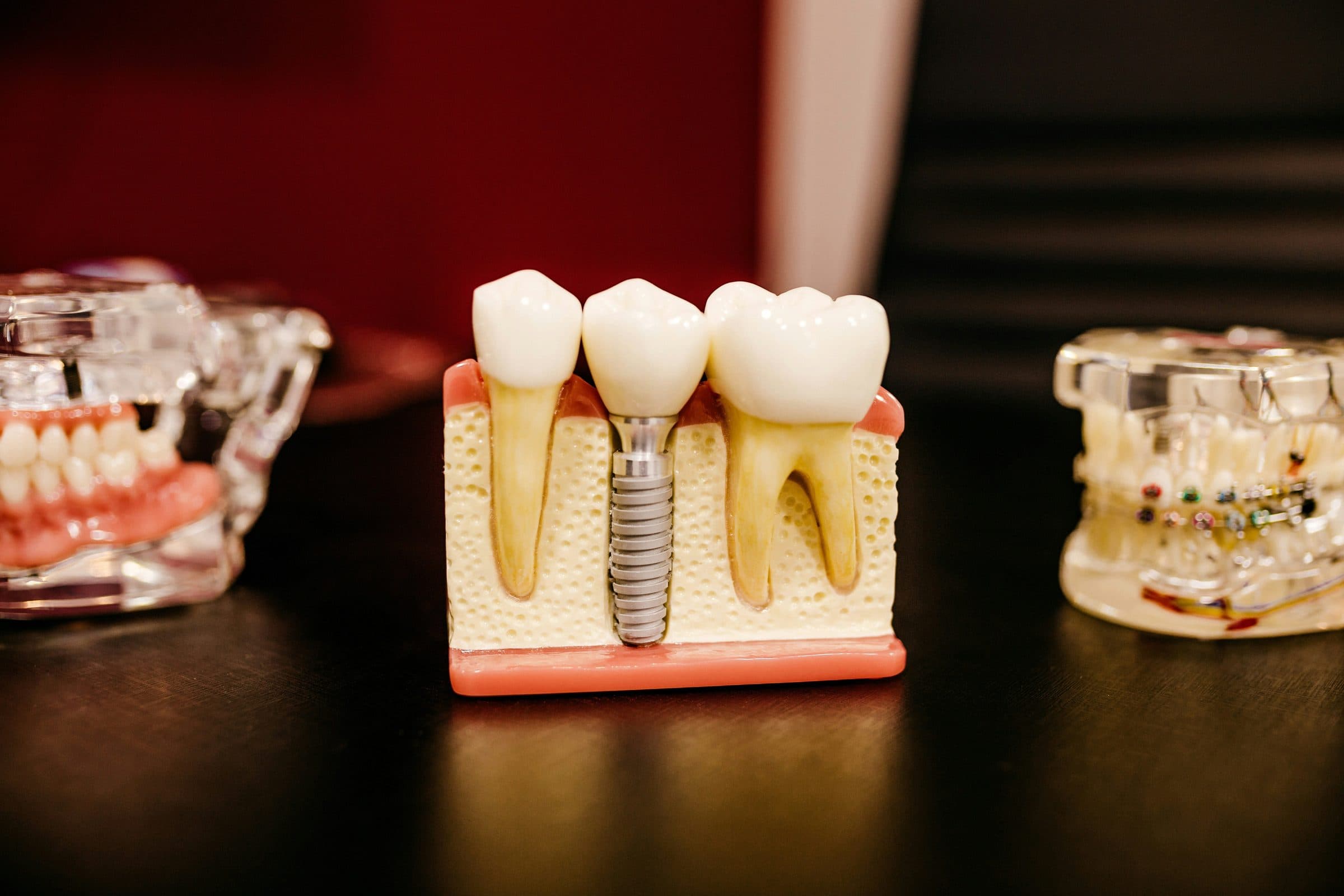
If you’re thinking about dental implants as a remedy for tooth loss, it’s important to think about the long-term impact of this treatment. After all, it is a long-term solution, and it’s one that could fail if the optimum conditions are not maintained.
While implant failure rates are falling a lot as dentists learn more about how to place implants for success, and how to support patients through the aftercare, there are still instances where diet and lifestyle choices could derail your treatment plan.
In this guide, we’re exploring some of the lifestyle changes you will need to commit to in order to keep your implants healthy. We’ll also look at some of the conditions you could be facing if you fail to follow aftercare advice.
This information is not intended to scare you, but to give you a realistic idea of what to expect during and after treatment. Dental implants can be life changing in many ways, but they may also require small changes to your lifestyle in order to keep them healthy.
Risk factors following implant treatment
The biggest risk you will face following dental implant treatment is a condition known as periimplantitis. This is inflammation of the socket supporting the implant, which can lead to bone loss that causes the implant to come loose.
This is a similar condition to periodontitis, which is an advanced form of gum disease. This is why dentists will always want to see that your teeth and gums are healthy before you start treatment.
If patients do not care for their teeth well after treatment, plaque and calculus can build up on the teeth. This provides a breeding ground for bacteria to thrive, which can then lead to inflammation of the gums. As the inflammation spreads below the gum line and to the root of the tooth – or to the dental implant socket – it can damage the supporting bone.
This is why it’s essential to take good care of your teeth following dental implant treatment, and to ensure that you visit the dentist regularly to monitor the health of your teeth.
How does diet and lifestyle impact implants?
Just as your diet and lifestyle will have an impact on your oral health, so too will your diet and lifestyle have an impact on your implant health. There are some habits that will increase the risk of complications by creating the optimum conditions for bacteria to thrive.
- Smoking and vaping – smoking is one of the worst things you can do with dental implants, since it introduces harmful compounds into your mouth. Smoking and vaping will also lead to a condition known as dry mouth, which allows bacteria to thrive by reducing saliva production. This is why implant surgeons will often reject patients for treatment if they are smokers.
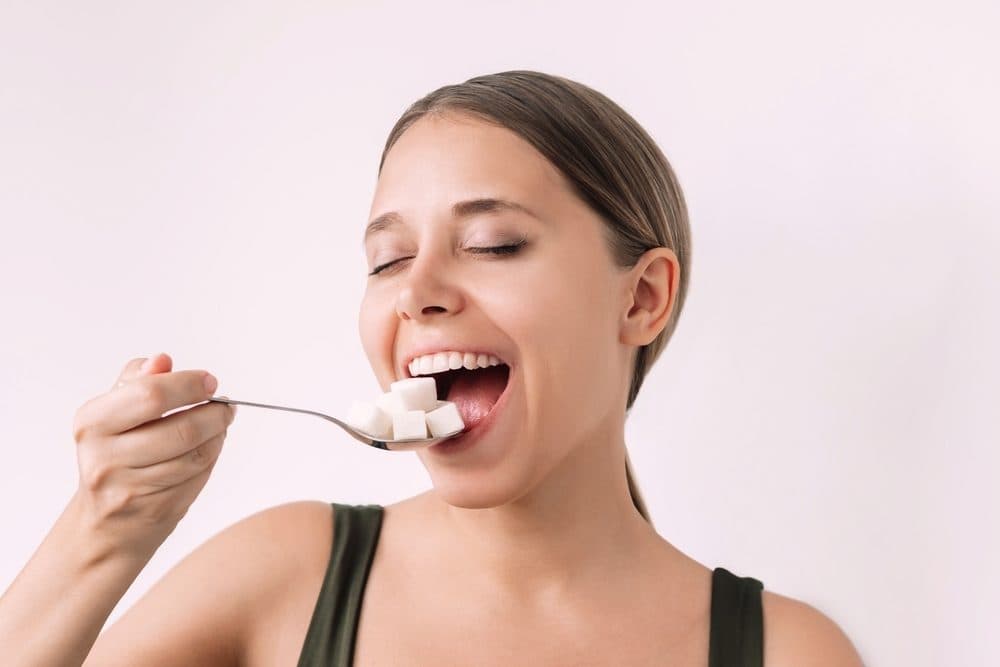
- High sugar diet – eating a diet that is high in sugar and ultra processed food will also hinder implant health. Sugar feeds bacteria in your mouth, allowing it to spread and multiple between meals. Ultra processed food can also become stuck in your teeth, attacking the enamel that protects the tooth and helping to feed the bacteria in your mouth.
- Uncontrolled diabetes is another risk factor to consider – this condition is linked to gum disease and the connection works both ways. Unmanaged diabetes is thought to aggravate gum disease, and active gum disease will also worsen blood sugar control.
- Excessive alcohol use – drinking to excess can create a dry environment in your mouth, and since alcohol is often carb-based, your body will convert this into sugar that will attack your teeth and gums. Drinking can also slow wound healing, which can make it harder for your body to recover from inflammation.

Dental implant aftercare essentials
The last thing you want as a dental implant patient is to hear that your implants have failed. To prevent this fate, you should consider how small changes to your lifestyle can help to protect your oral health – and the health of your implants.
Start with the basics by making sure that you are brushing your teeth and flossing correctly every day. Speak to your dental hygienist if you aren’t sure if you’re doing this right. It’s important that you don’t regularly skip this step, as every missed brushing opportunity is one that will allow bacteria to thrive.
Next, make sure you visit the dentist as often as is recommended and don’t skip appointments. You might need to visit more often in the first few years after your procedure. This will be to check on your implants and to monitor them closely. Your appointments will then reduce to around 1-2 per year.
Think about your diet and lifestyle choices and make smarter choices where possible. Your wider health will benefit from a move away from things like smoking, alcohol and a high sugar diet.
Ready to talk it through?
Request a callback and we’ll ring you back to answer your questions and arrange a consultation.
Request a callbackWritten by
The ICSC Team
Patient Care