
Post-Implant Care: Tips for Ensuring Long-Term Success of Your Dental Implants
The ICSC Team
Patient Care5 min read
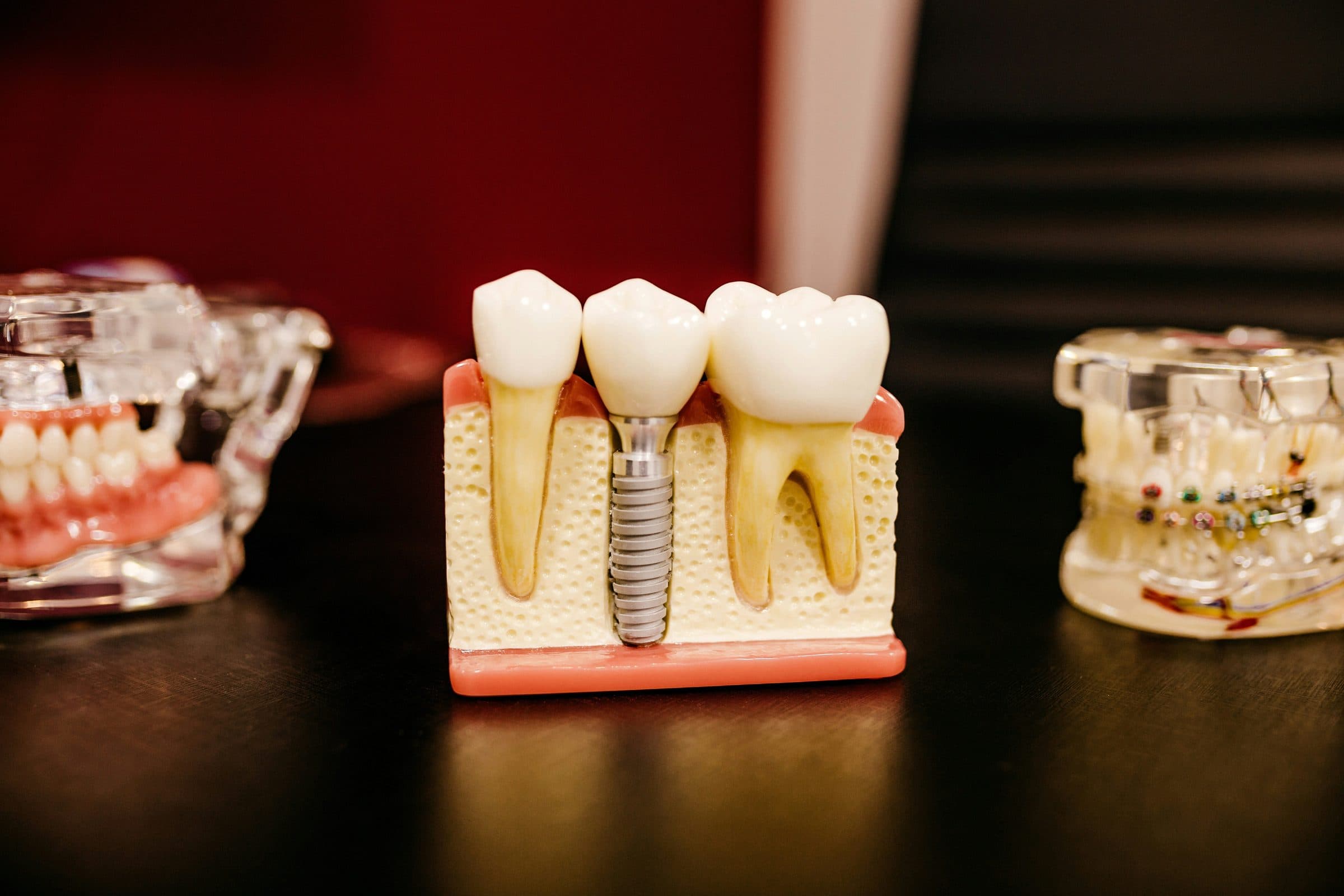
Dental implant treatment is long and complex. The cost associated with this treatment is also higher than alternative treatments such as bridges or dentures. The length of the treatment plan combined with the investment means that patients are often very interested in caring for their dental implants following treatment.
Proper post-treatment care is essential for ensuring the implant and the implant site are healthy following treatment. Dental implant treatment is unlike any other treatment, so the risks are unique.
In this guide, we’ll be looking at some of the biggest risk factors facing dental implant patients following treatment. We’ll also explore how you can protect your implants from damage in the short term and the long term.
Post-implant care advice
It’s vital that you follow your dentist’s advice during and after the treatment. This will help to accelerate the healing process and ensure that your gums and jaw bone are able to support the implant.
The time it takes your gums to heal around the implant will be much shorter than the time it takes the bone to heal and fully bond with your implant. So, while the implant site might look like it is completely healed, the healing process will still be going on in the background for months to come.
Immediately after your final restoration treatment (when the implant is attached to the abutment) you should avoid things like drinking from a straw and eating very hard or crunchy food. You might feel more comfortable switching to a soft diet until you feel more confident chewing with your implant. It might feel very strange at first.

Cleaning your teeth post-surgery
Cleaning your teeth and paying close attention to the area around your implant is an essential part of post-implant care. You might need to switch to specialist tools such as interdental brushes or a water flosser to help remove all traces of food and debris from around the implant.
Your dental hygienist is the best person to ask about caring for your teeth post-implant surgery. They can offer advice and recommendations on how to care for your teeth and how to make sure the implant site is clean.
Brushing twice a day and attending regular hygienist cleanings and checkups will be an essential part of your long-term care. This is not something you can avoid, and brushing alone is not enough to safeguard your implants.
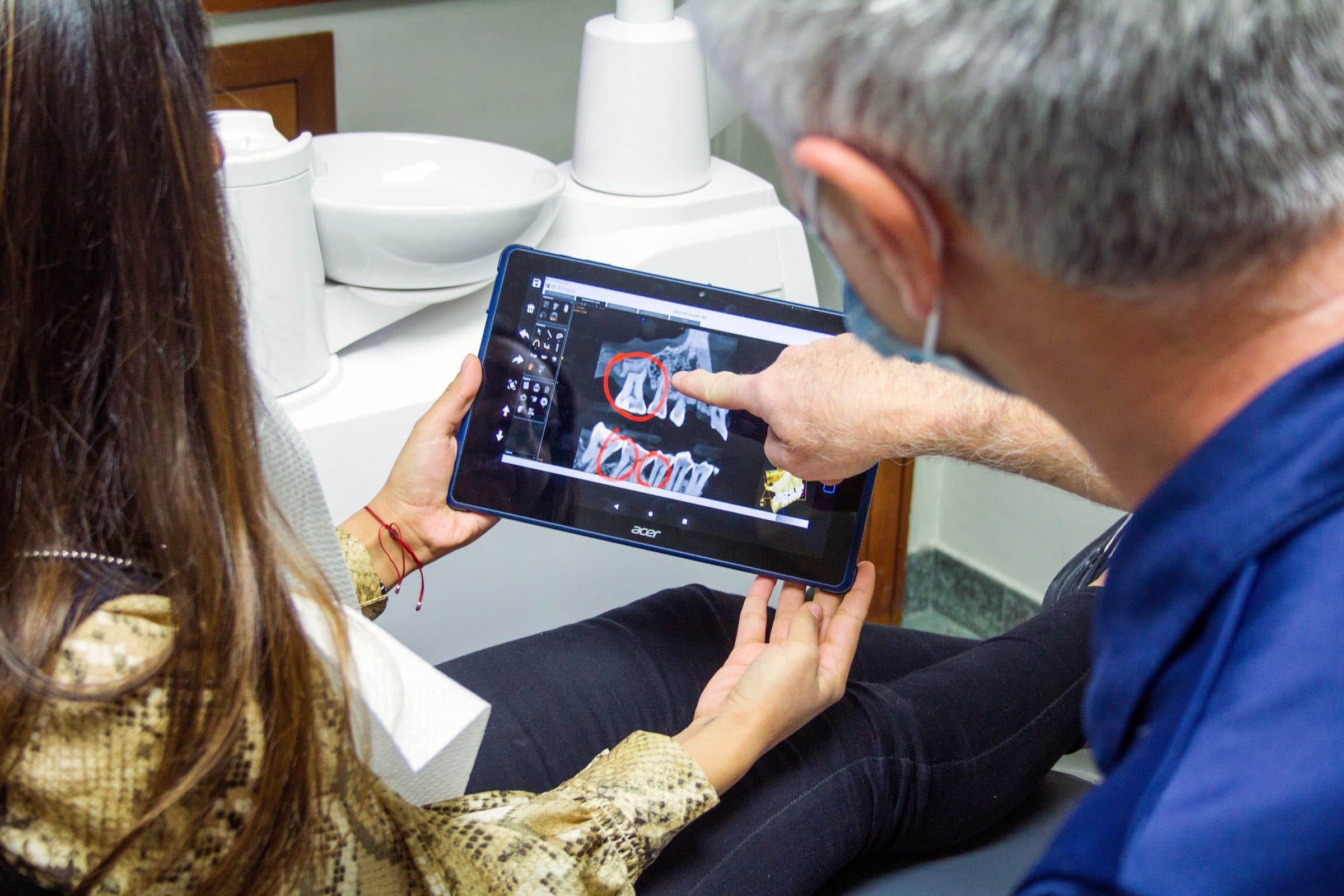
Issues with your implant might not be visible to the naked eye, and they might not present with any obvious symptoms. Only your dentist will be able to see if something is amiss. If you wait until you notice the symptoms, then it might be too late to save your implant.
Gum disease and dental implants
If you have active gum disease, you’ll need to get this under control before you can start treatment. Gum disease can increase your risk of implant failure as it increases bacteria and inflammation in the mouth. This can attack the structures that hold your implant in place.
Regular dental hygienist cleanings can help to support you to keep your teeth and gums healthy. This will help prevent the risk of implant failure due to inflammation of the gums.

The risks of smoking with dental implants
There is a reason that many dentists will refuse to place implants for patients who smoke and are unwilling to quit. Smoking greatly increases the risk of implant failure, so many dentists see it as a waste of time and money to go through the process if the patient is going to continue smoking after treatment.
Smoking increases the risk of implant failure through a number of mechanisms. First, it creates dry conditions in the mouth. Dry mouth creates the ideal conditions for bacteria to thrive in the mouth. This bacteria can infiltrate the socket supporting your dental implant, leading to a painful condition called peri implantitis. This will allow the implant to come loose and eventually fall out.
Smoking also slows down healing, which can make it more difficult for your implants to heal after treatment.
In short, you should quit smoking if you would like to explore dental implant treatment. You should also be committed to making this change stick for life, as resuming smoking at any point will put your implants at risk of failure.
What happens when implants fail?
Implants often fail due to infection and inflammation of the implant socket. When this happens, the gum and bone supporting the implant will recede, leading the implant to become loose. This can be a very painful turn of events and could allow your implant to come loose.
When this happens, your dentist will have to remove the implant and allow the tissue and bone to heal. They can attempt to repeat the implant procedure, but this will often be unsuccessful due to bone loss.
Implant failure is becoming less common due to advances in the dental implant procedure, better education, and improved screening prior to starting treatment. Patients who are unsuitable for this type of treatment can be directed towards other treatment plans such as dentures or bridges.
Final thoughts on dental implant care
Choosing to undergo dental implant treatment will mean that you need to follow specific oral care advice for the rest of your life. Thankfully, these steps will also help to ensure your natural teeth remain healthy, so you can minimise the risk of requiring further restorative treatment.
Ready to talk it through?
Request a callback and we’ll ring you back to answer your questions and arrange a consultation.
Request a callbackWritten by
The ICSC Team
Patient Care